Key takeaways
- Argentina, France, Brazil, England and Spain typically anchor the short end of the outright market.
- A favourite's odds imply a probability — divide 1 by the price to see what the market really thinks.
- Short prices win more often but pay little; they're only value when the price beats the true chance.
- No team is ever more than a fraction to win a 48-team knockout — favourites lose far more often than they win.
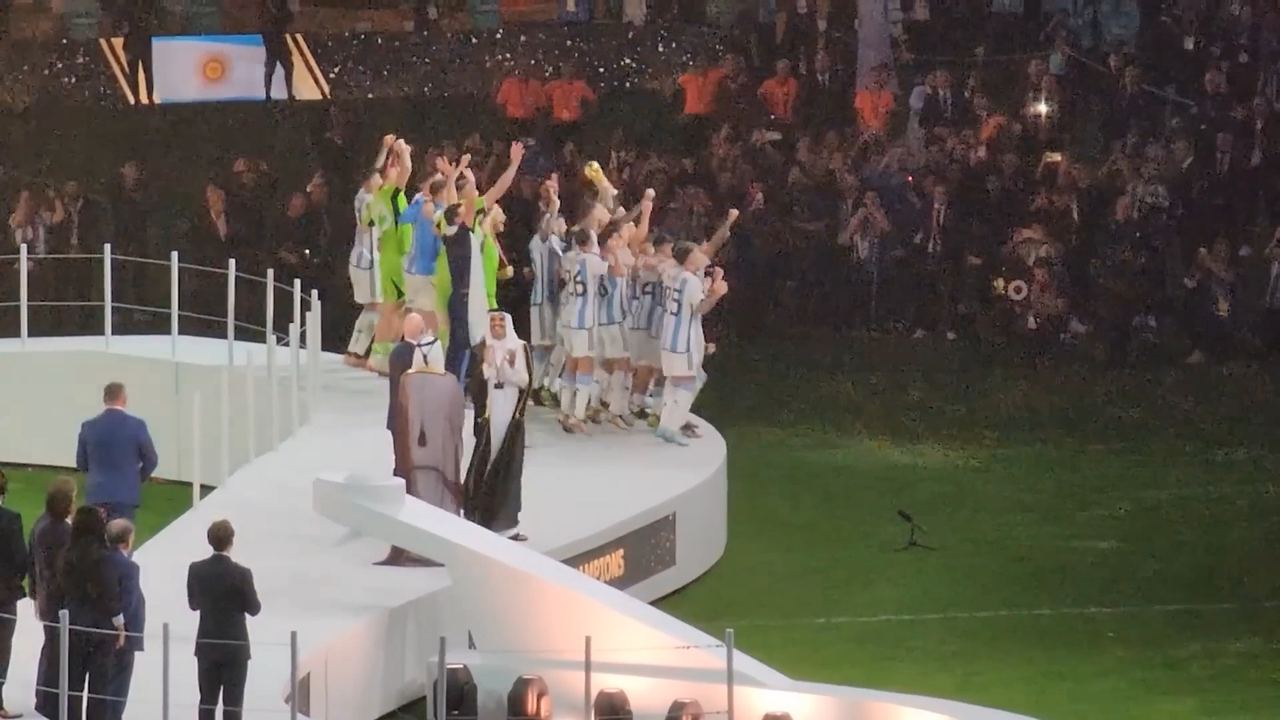
Every World Cup, a familiar group sits at the short end of the board: Argentina (the defending champions), France, Brazil, England and Spain. They’re the favourites for good reason — but “favourite” and “good bet” are not the same thing. Here’s how to think about backing the top of the market in 2026.
This zooms in on the favourites; for the full market see our outright winner odds explainer and the main World Cup 2026 betting guide.
What the short prices actually imply
Odds aren’t just a payout — they’re the market’s estimate of a team’s chance. Flip any decimal price to read it:
Implied chance = 1 ÷ decimal odds
A favourite at 5.00 implies a 20% chance; at 8.00, about 12.5%. Notice what that means: even the top favourite is usually no better than a 1-in-5 shot to win a 48-team knockout. The favourite loses far more often than it wins. That’s not a reason to avoid them — it’s a reason to respect the price.
Why these nations lead the board
Prices move daily, but the shape is stable. The traditional powers combine deep squads, tournament experience and elite forwards — the things that survive a month of high-pressure football. Behind them sits a tier of strong contenders, then a long tail of dark horses at big prices. The favourites earn their short odds; the question is only whether those odds are too short.
Is the favourite ever value?
Sometimes. A favourite is value when its price is longer than its genuine chance — for example, if a top side drifts after a poor warm-up but you rate its real chance higher than the market does. More often, the crowd backs the obvious name and the price gets bid too short, leaving the value with the second tier. Use the implied-probability math from our football betting odds guide to judge each one honestly.
How to bet the top of the market
If you back a favourite, treat it as a small outright and keep most of your budget flexible for the group stage and knockout matchday markets, where the edges are clearer. A favourite is also a natural anchor leg in a parlay — just remember every added leg multiplies the risk.
Backing one of the big guns? Place your outright at our #1 casino → — instant GCash, 18+.
Bet it sensibly
A short price feels safe, which is exactly why people overstake it. Convert every favourite’s odds to a probability, back it only when the price beats the true chance, and keep the stake inside your set budget. If betting ever stops being fun, our responsible gambling resources are there to help.
Frequently asked questions
Who are the World Cup 2026 favourites?
Traditionally the short end of the market is anchored by powers like Argentina, France, Brazil, England and Spain. Exact prices move daily, so always check the live market — but those are the names that usually sit at the top of the outright board.
Is backing the favourite a safe bet?
Safer than a longshot, but never safe. Even a clear favourite is usually no better than around a 1-in-5 chance to win a 48-team tournament, which means the favourite loses far more often than it wins. A short price is only a good bet when it's longer than the true chance.
How do I know if a favourite is value?
Convert the odds to an implied probability by dividing 1 by the decimal price, then ask whether the team's real chance is higher than that. If you think it is, there's value; if the price looks too short for the risk, pass and look elsewhere.